
 770-PLUMBER

It’s August in Atlanta. The heat index is pushing 105 degrees. You walk inside expecting that familiar rush of cool air and instead you get… nothing. Or worse, warm air blowing from every vent in the house.
It’s one of the most stressful things that can happen to a homeowner this time of year, and unfortunately it’s also one of the most common. HVAC systems that have been running hard since May are at their most vulnerable right now. The good news is that a dead AC doesn’t always mean what you think it means. Here’s exactly what to do, in order, so you don’t panic and you don’t overpay.
Step 1: Don’t Assume the Worst
Before you call anyone, do a quick check of the obvious stuff. You’d be surprised how often a “dead” AC turns out to be something simple.
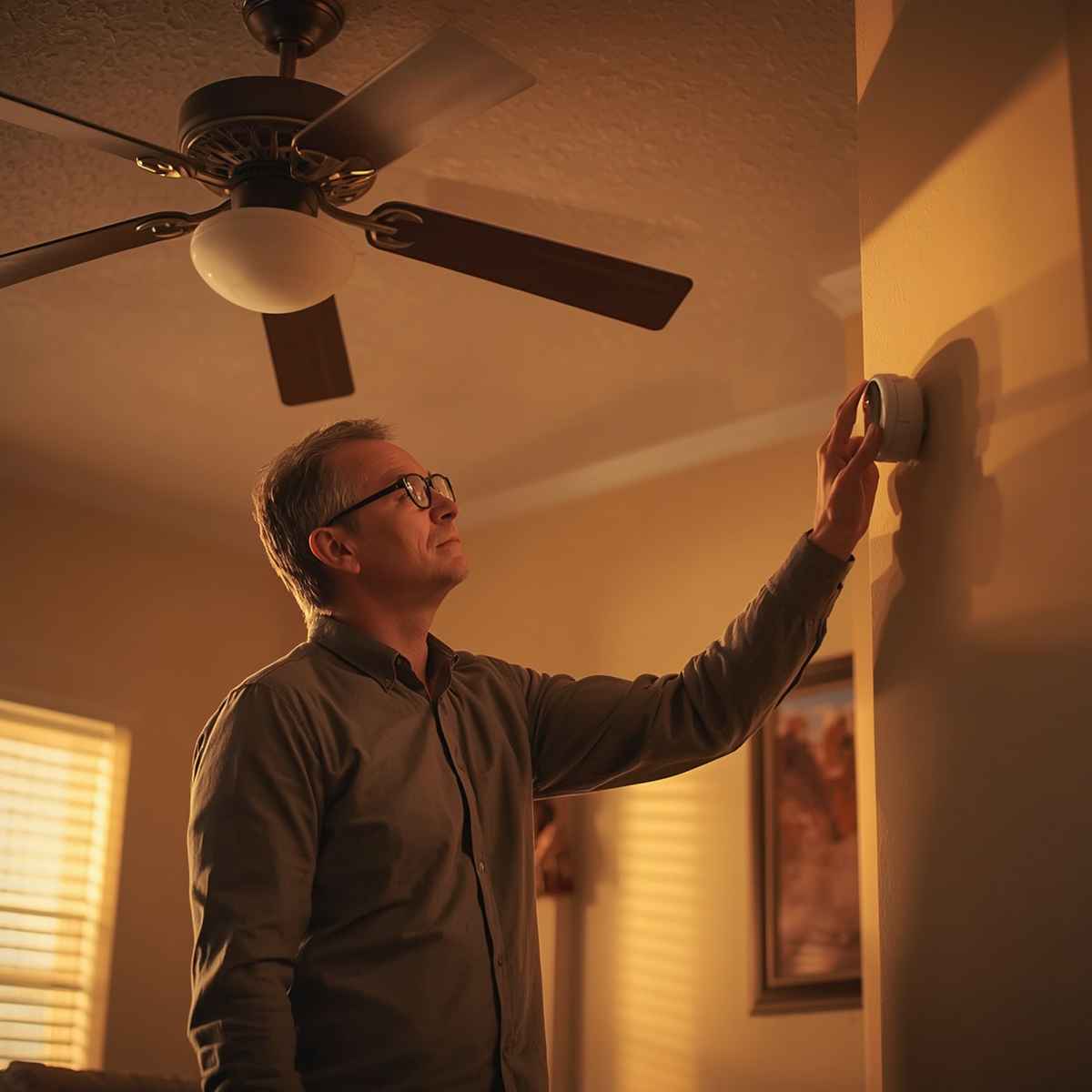
Check your thermostat first. Make sure it’s set to COOL and that the temperature is set lower than the current room temperature. If your thermostat runs on batteries, swap them out. A thermostat that loses power reads as a dead system but isn’t one.
Check your circuit breaker. Go to your electrical panel and look for any tripped breakers. Your air handler and your outdoor condenser unit are typically on separate breakers, so check both. If a breaker is tripped, reset it once. If it trips again immediately, stop and call a technician. That’s an electrical issue that needs a professional.
Check your air filter. A severely clogged filter can cause your system to shut itself down as a protective measure. Pull it out and hold it up to the light. If you can’t see light through it, replace it and give the system 30 minutes to reset before calling for service.
Check the condensate drain pan. Some systems have a safety float switch that shuts the unit down when the drain pan fills with water. If you see standing water under your air handler, that’s likely your culprit and it’s a fast fix for a technician.
Step 2: Give the System a Reset
If the basics check out and the system still isn’t running, try this before calling for service. Turn the thermostat completely off. Go to your breaker panel and switch off both the air handler and condenser breakers. Wait a full 30 minutes. Then turn the breakers back on, wait five minutes, and turn the thermostat back to COOL.
Some systems have built-in protection modes that lock them out after overheating or a power fluctuation. A full reset clears that. It won’t fix an underlying mechanical problem, but it will save you a service call if that’s all that was needed.
Step 3: Keep Your Home as Cool as Possible While You Wait
If the system is genuinely down and you’ve got a service call scheduled, here’s how to keep things manageable in the meantime, especially important if you have kids, elderly family members, or pets at home.
Close every blind and curtain on the south and west sides of your home. Direct sunlight through windows is one of the biggest drivers of indoor heat gain. Blocking it makes a real difference.
Run ceiling fans counterclockwise. This creates a wind chill effect that makes the room feel several degrees cooler without actually lowering the temperature.
Avoid using the oven or stove. Cooking adds heat and humidity to your home. Stick to the microwave, go out, or order in until your system is back up.
Open windows strategically at night. Once outdoor temps drop below indoor temps, usually after 10 or 11 PM in metro Atlanta in August, open windows on opposite sides of the house to create cross ventilation and flush out the stored heat.
Identify the coolest room in the house and camp out there. Interior rooms without exterior walls, lower floors, and north-facing rooms stay cooler longest. If you have one room that’s manageable, concentrate your family there.
Step 4: Call a Technician You Trust
This is not the time to go with whoever can come out fastest. In the middle of an Atlanta heat wave, a lot of fly-by-night operations pop up to take advantage of desperate homeowners. You want a licensed, NATE-certified technician from a company with a real local reputation.
When you call, be ready to describe what you observed. Is the outdoor unit running but the air handler isn’t? Is neither unit running at all? Is the system running but blowing warm air? That information helps the technician come prepared with the right parts and gives you a more accurate service window.
Ask about same-day or emergency service availability. True Plumbing, Heating & Cooling serves homeowners across Doraville, Chamblee, Brookhaven, Dunwoody, and throughout metro Atlanta, and we understand that a broken AC in August is not a wait-until-next-week situation.
Step 5: Understand Your Options Before the Technician Arrives
If your system is more than 10 to 12 years old, there’s a real chance the diagnosis is going to lead to a repair vs. replace conversation. It helps to walk into that conversation with some context so you can make a good decision without feeling pressured.
A repair makes sense when the system is under 10 years old, the repair cost is less than half the cost of a new system, and the system has been reasonably well maintained.
Replacement starts to make more sense when the system is over 12 years old, the repair involves a major component like the compressor, or this is the second or third significant repair in the past few years.
Don’t let anyone pressure you into a same-day replacement decision without a clear explanation of what failed and why. A trustworthy technician will walk you through the numbers and let you decide. If someone is pushing hard for an immediate replacement without a thorough diagnostic, that’s a red flag.
Step 6: Think About What Comes Next
Once your system is back up, whether through repair or replacement, this is the best possible time to think about what got you here. Most mid-summer AC failures don’t come out of nowhere. They’re the result of a system that was already showing signs of stress that didn’t get addressed.
Homeowners in Doraville, Chamblee, Brookhaven, and Dunwoody who schedule a fall tune-up after a summer repair consistently see fewer emergency calls the following season. The fall maintenance visit catches the things that survived this breakdown but won’t survive the next one.
It’s also a good time to ask your technician about the condensate drain line, your refrigerant levels, and the condition of your capacitors and contactors. Those are the three most common culprits behind mid-summer failures, and all three are inexpensive to address proactively.
If staying on top of both a fall and spring tune-up sounds like more than you want to track on your own, a maintenance plan is one way homeowners handle it. True Plumbing, Heating & Cooling offers a True Comfort Maintenance Plan that includes two seasonal visits a year, so these checks happen automatically rather than after something already goes wrong.
We’re Here When You Need Us
A broken AC in August is stressful. We get it. True Plumbing, Heating & Cooling’s HVAC technicians serve homeowners across Doraville, Chamblee, Brookhaven, Dunwoody, and throughout metro Atlanta, and we’re committed to honest diagnostics, straight answers, and getting your home comfortable again as fast as possible.
Call us at 404-585-8990 or visit trueplumbingatl.com to schedule service. Same-day appointments available.
True Plumbing, Heating & Cooling is a family-owned & operated residential plumbing and HVAC company serving metro Atlanta, including Doraville, Chamblee, Brookhaven, and Dunwoody. Founded by Master Plumber Ryan Hanson, we’re committed to honest, expert service for the homes and families we serve.